Post-surgical scars: When should photobiomodulation begin?
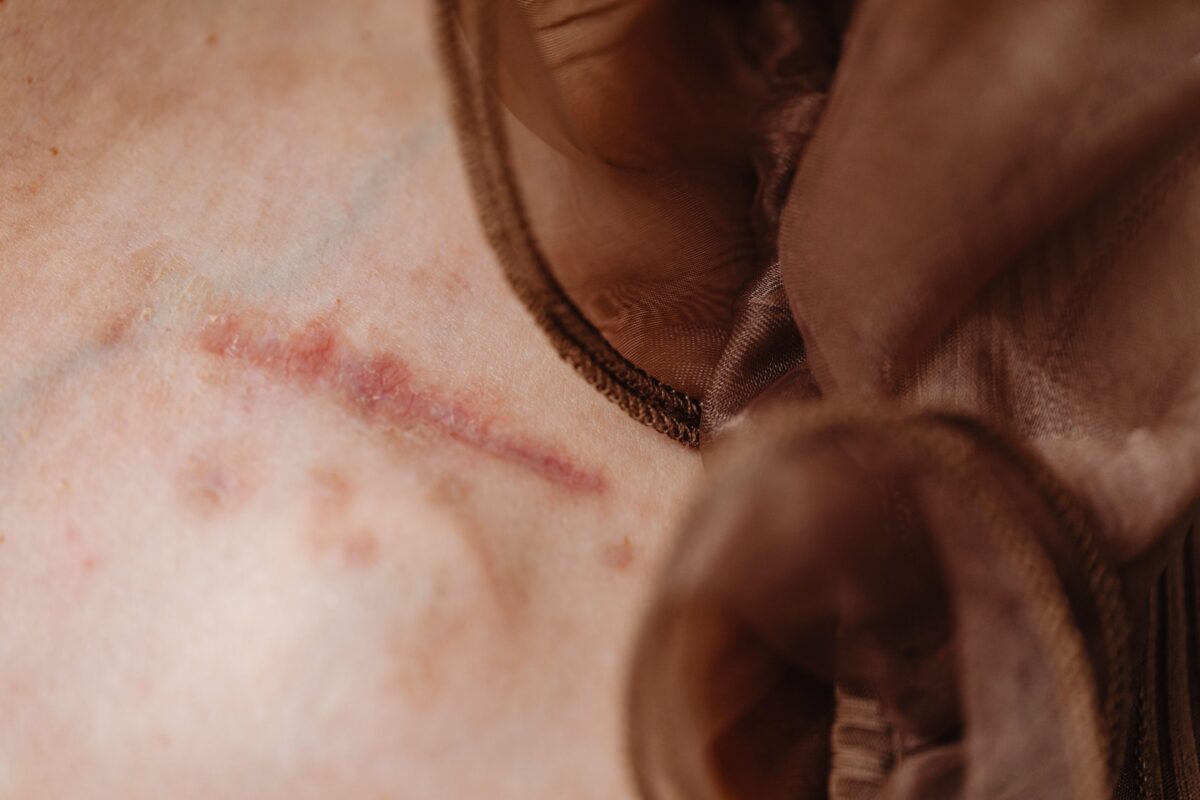
After surgery, the skin begins a healing process that will gradually determine the appearance of the scars. This process, which can sometimes take a long time, plays an important role in the final aesthetic outcome. In this context, photobiomodulation is gaining attention as an approach that uses red or infrared light—delivered via LEDs or lamps—to support scar treatment.
It is worth clarifying a point that is often a source of confusion: photobiomodulation is distinct from light therapy. While light therapy primarily affects biological rhythms or general well-being, photobiomodulation directly targets tissues to support cellular regeneration.
Understanding when to start the sessions and how to organize them allows for a more appropriate and gradual approach.
Understanding Scar Formation After Surgery
After surgery, scars go through several stages of healing. First, the skin closes over the wound, and then it gradually rebuilds its tissue through collagen production. Finally, the scar changes over time, becoming more supple and generally less noticeable.
The final appearance depends on many factors:
- Type of surgery: depth and extent of the incision
- Skin quality: Some skin types show signs of aging more noticeably
- The affected area: Areas in motion affect healing
- Care and Treatment Provided: Consistency and Continuity
Photobiomodulation is part of this process. It does not replace natural healing, but it can support certain key stages.
Why use an LED lamp on scars?
Photobiomodulation involves the use of LEDs or a lamp that emits red or infrared light. This light acts directly on the skin cells.
It is being studied for its role in:
- collagen production
- tissue regeneration
- the gradual improvement in the appearance of scars
It can be viewed as a subtle complement to the mechanisms already in place, by promoting the cellular activity involved in skin regeneration.
When should photobiomodulation treatment begin?
The timing of treatment initiation is critical. It depends primarily on the condition of the scar.
In general, it is recommended to wait until the skin has completely healed—with no scabs or oozing—before beginning light therapy sessions.
After complete closure of the skin
Once the skin has closed, the healing process enters an active phase. Photobiomodulation can then be used to support regeneration.
The goal is to support natural processes without disrupting them.
When the scars are still visible
At this stage, scars may be red, thickened, or tender. This is often a good time to start a regular treatment regimen.
The sessions can help:
- improve tissue flexibility
- support collagen synthesis
- enhance the aesthetic appeal
Several months after surgery
Even old scars continue to change over time. Photobiomodulation treatment may still be an option to improve skin quality.
The effects are generally more gradual, but the approach remains relevant from the perspective of aesthetic improvement.
How can you set up tailored sessions?
Photobiomodulation relies on consistency. A single session is not enough to improve the appearance of scars.
To organize this process, you can follow a few guidelines:
- Session duration: a few minutes per area
- Frequency: several sessions per week, especially at the beginning
- Device used: lamp, LED panel, or spot light
- Area of application: directly on the scar and the surrounding tissue
For example, after abdominal surgery, an LED light can be applied regularly to the scar—once the skin has fully healed—gradually increasing the frequency of the sessions.
What results can you expect regarding scars?
The effects of photobiomodulation become apparent over time. The skin changes gradually as the sessions progress.
Some of the changes frequently observed include:
- more supple scars
- an improvement in appearance
- a more even skin texture
Everyone reacts differently. Light aids the healing process by supporting the body’s natural mechanisms, without causing any immediate effects or sudden changes.
Combining photobiomodulation with complementary treatments
Scar treatment does not rely solely on light. The overall environment plays an important role in the aesthetic outcome.
To go along with the sessions:
- Moisturize your skin regularly to keep it supple
- Protect scars from the sun to preserve their appearance
- Perform gentle massages to loosen up the tissues
- Maintain a consistent schedule for your sessions to support healing
These simple steps enhance the benefits of photobiomodulation.
Caring for Scars Over Time
A scar changes over the course of several months. It may gradually become less noticeable and blend in better with the skin.
Photobiomodulation offers a light-based approach to support this process following surgery. When used regularly and incorporated into a consistent routine, it can help improve the appearance of scars.
By respecting the skin’s natural rhythm and paying close attention to how it changes, everyone can tailor their treatment sessions and find a balance in managing their scars.
See also:

- How can I reduce frown lines with photobiomodulation? June 14, 2024 Vanessa

- How can diet and photobiomodulation help manage psoriasis? September 27, 2024 Vanessa
- Photobiomodulation and Rosacea: Can Persistent Redness Be Reduced? April 9, 2026 Vanessa
- Post-surgical scars: When should photobiomodulation begin? November 16, 2026 Vanessa
- Photobiomodulation and Facial Rejuvenation: How Does It Work? January 12, 2025 Vanessa
- Photobiomodulation and Stretch Marks: Can the Appearance of the Skin Be Improved? October 26, 2026 Vanessa

- How does photobiomodulation soothe the skin after a peel? December 25, 2025 Vanessa
- Photobiomodulation and Inflammatory Acne: How Do Blue and Red Light Work? March 19, 2026 Vanessa
- Photobiomodulation and Atopic Eczema in Adults: What Results Can Be Expected? October 8, 2026 Vanessa

- How to soothe a burn with photobiomodulation? May 7, 2024 Vanessa