How does photobiomodulation soothe the skin after a peel?
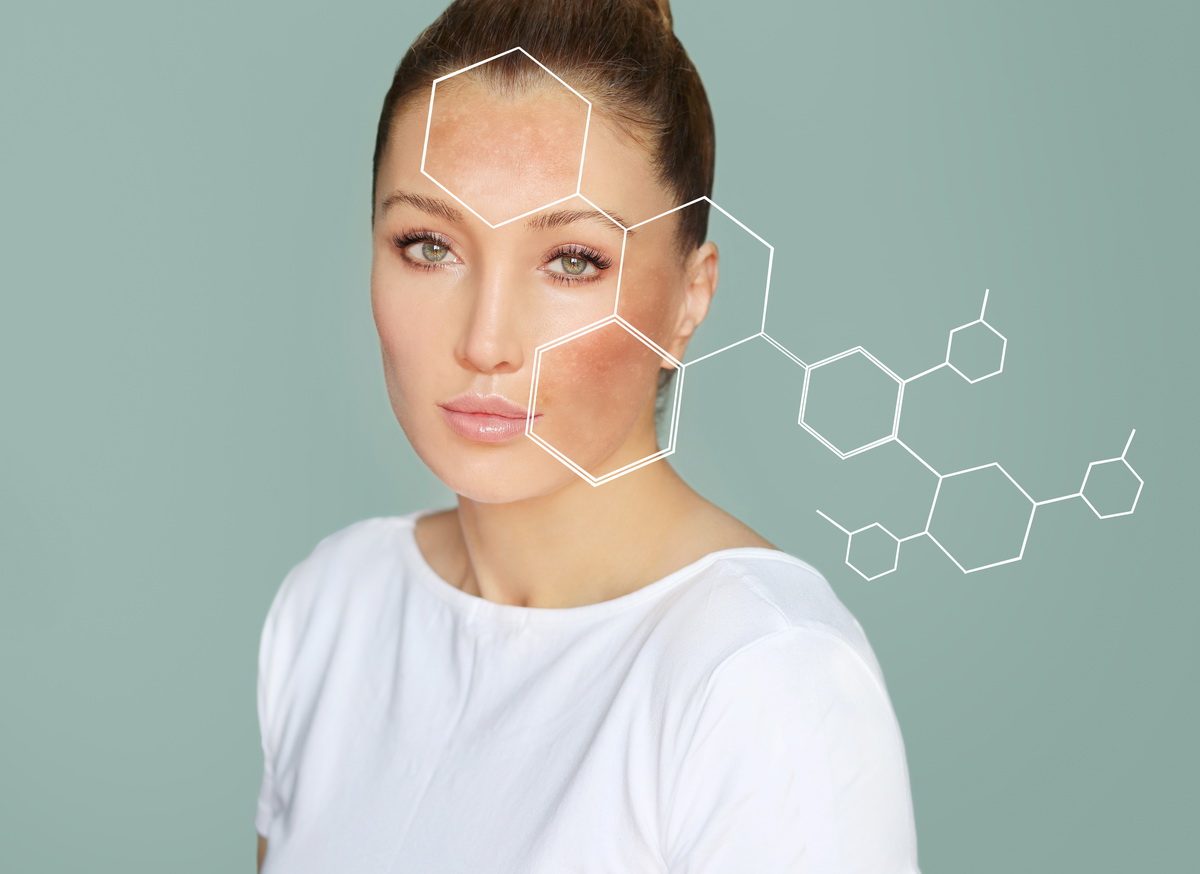
How can you support your skin after a peel without upsetting it? Some individuals experience marked skin sensitivity, ranging from simple redness to more widespread irritation. There is a gentle approach that promotes regeneration while preserving the skin's well-being: photobiomodulation. It uses targeted light (often from LEDs or specific laser devices) to promote comfort in the face and all affected areas.
Understanding the impact of a peel on the skin
A peel involves exfoliating the surface layers of the skin for cosmetic purposes. The idea is to smooth the texture of the face or other areas, while seeking to reduce certain signs of aging or acne scars. The action is stimulating enough to cause a certain skin reaction: redness, slight flaking, and a feeling of dryness.
These symptoms are caused by cell renewal. The body goes into alert mode to replace surface cells, which can cause discomfort. At this stage, many people seek a treatment that can soothe these sensations and support the healing process.
Photobiomodulation: beneficial lighting
Photobiomodulation uses gentle LED or laser light to help rebalance the skin. The sessions offered vary according to age, objectives, and individual sensitivities. In practice, the light acts on skin regeneration and can help manage certain discomforts, whether after a peel or in other situations related to irritation.
Photobiomodulation specialists mention an effect on microcirculation and collagen production. Repeated sessions sometimes yield interesting results: visible reduction in redness, support for healing, and preservation of moisture. The goal is not to promise immediate transformation, but to offer support aimed at enhancing the skin's well-being and vitality.
Redness, healing, and hydration: what benefits can you expect?
Individuals who opt for this method after a peel often report that their skin is more supple and less prone to discomfort. LED light gently stimulates microcirculation, which helps to reduce the sensation of heat. At the same time, natural healing progresses more smoothly.
In certain cases of acne or stretch marks, photobiomodulation is incorporated into a set of complementary treatments, always with the aim of improving skin quality. Results vary depending on each individual's receptivity and the regularity of the sessions. A well-planned series of appointments, combining peeling and appropriate light therapy, generally yields satisfactory results.
Practical tips to encourage better tolerance
A few simple steps can enhance the effectiveness of photobiomodulation and promote overall comfort:
- Limit the use of overly aggressive products: gentle cleansing and unscented moisturizers prevent tightness.
- Avoid direct exposure to heat sources: saunas, steam rooms, or intense sunlight can increase redness.
- Allow a reasonable interval between each session: this gives the skin time to rest before the next appointment.
A professional familiar with photobiomodulation sometimes recommends adapting the protocol according to skin reactivity. If the skin shows signs of persistent irritation, a break or adjustment in the frequency of sessions may be considered.
A few tips for maintaining hydration and comfort
Better hydration management, especially after a peel, can make all the difference:
- Drink enough fluids: internal hydration supports the skin barrier.
- Apply an emollient treatment: choose a light texture enriched with soothing active ingredients.
These small measures, combined with photobiomodulation, promote a gradual return to a feeling of suppleness.
One last look before continuing the adventure
This type of treatment is attracting a growing number of people looking for gentler care after a peel. Photobiomodulation is therefore part of a holistic approach to well-being. Redness becomes less intense, healing progresses without haste, and the skin retains a more stable level of hydration. The key is to respect your own pace, follow the advice of professionals trained in these treatments, and remain attentive to how you feel. This approach can be a valuable support in approaching peeling with greater peace of mind and making the most of a soothed face.

 Photobiomodulation et acné inflammatoire : comment la lumière bleue et rouge agissent-elles ?Par Vanessa, le 19 mars 2026
- Comment l’alimentation et la photobiomodulation peuvent-elles aider à gérer le psoriasis ?Par Vanessa, le 27 septembre 2024
- Comment la photobiomodulation apaise-t-elle la peau après un peeling ?Par Vanessa, le 25 décembre 2025
- Comment la photobiomodulation peut-elle aider à la réjuvénation du visage ?Par Vanessa, le 12 janvier 2025
- Comment atténuer la ride du lion avec la photobiomodulation ?Par Vanessa, le 14 juin 2024
- Photobiomodulation et rosacée : peut-on réduire les rougeurs persistantes ?Par Vanessa, le 9 avril 2026
- Comment apaiser une brûlure avec la photobiomodulation ?Par Vanessa, le 7 mai 2024