Photobiomodulation and Inflammatory Acne: How Do Blue and Red Light Work?
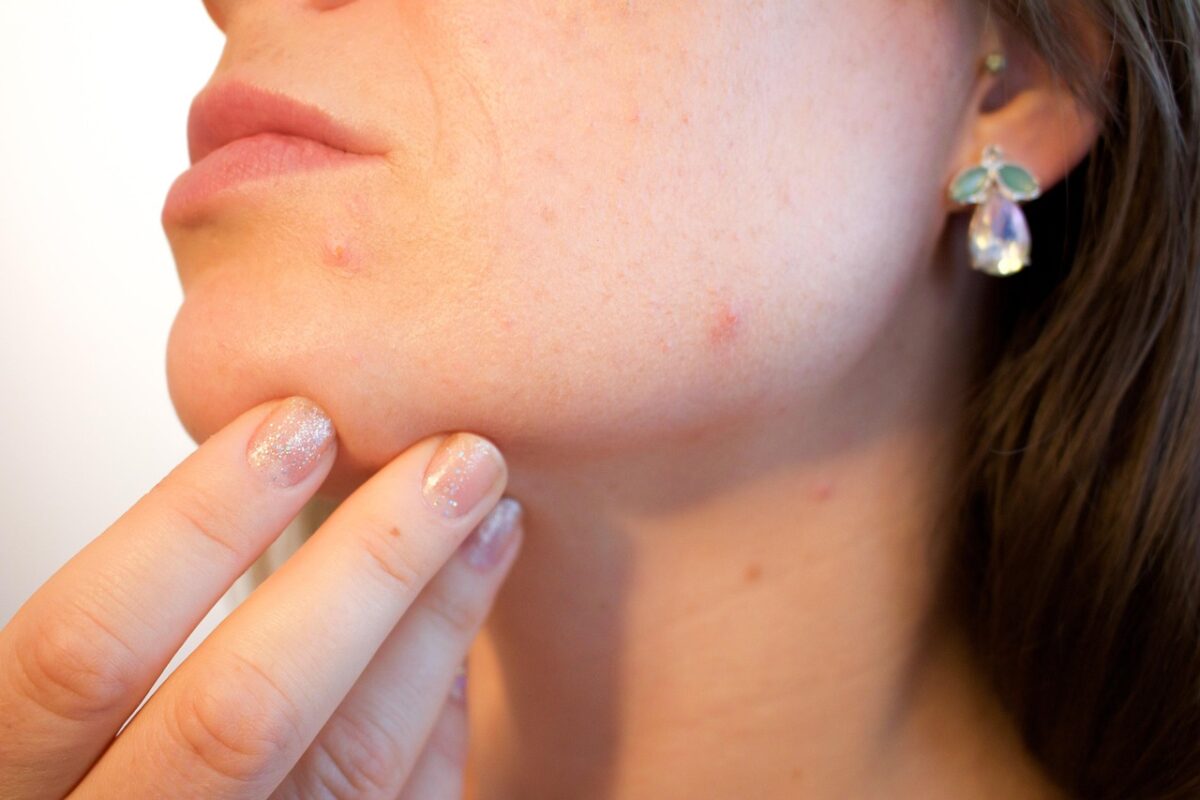
Inflammatory acne is more than just a visible reaction. It reflects a deeper imbalance in the skin, often characterized by persistent inflammation. In this context, LED therapy, used in photobiomodulation, is gaining attention for its gentle approach to skin care.
Blue light and red light work through different mechanisms. Combining them in a single treatment allows for action on multiple levels, taking into account the skin’s cellular function.
Inflammatory acne: an interplay between bacteria and inflammation
Inflammatory acne results from a chain of reactions. The skin produces more sebum, pores can become clogged, and certain bacteria multiply. This triggers local inflammation.
This condition is often accompanied by redness, tender bumps, and a sensation of heat. At the cellular level, the skin mobilizes its resources to respond, which can prolong the imbalance.
With this in mind, LED treatments aim to target different stages of the process without irritating the skin.
Blue light: a targeted approach to treating bacterial infections
Blue light is commonly used in LED devices designed to treat acne. It acts primarily on the skin’s surface.
Certain bacteria associated with acne react to this light. When exposed to blue LEDs, their environment becomes less conducive to their growth.
As part of a regular skincare routine, this can help:
- Limiting bacterial growth associated with acne
- Support gentle treatment of developing blemishes
Blue light can be seen as a balancing factor. It doesn’t completely eliminate bacteria, but it helps reduce their impact on the skin.
Red light: Effects on inflammation and cellular function
Red light works on a different level. It acts more deeply, at the heart of cellular processes.
Red LEDs are often used to support the skin’s natural regulatory functions. Their cellular action is associated with several effects:
- Support cellular activity in weakened areas
- Help soothe skin inflammation
- Supporting natural regeneration processes
Collagen production can also be stimulated, which helps improve skin quality over the long term.
For someone dealing with inflammatory acne, this type of LED treatment can help the skin return to a more stable state.
Combining blue and red light in a single LED treatment
The effectiveness of photobiomodulation often lies in the combination of wavelengths.
In a comprehensive LED treatment:
- Blue light acts on the skin's surface, targeting bacteria and blemishes
- Red light has a deep-acting effect on inflammation and cellular balance
This approach takes into account the various aspects of inflammatory acne. The treatment is thus more comprehensive, addressing both the visible causes and the underlying skin condition.
How does LED therapy work?
LED photobiomodulation treatments are generally easy to incorporate into a routine.
They can be performed at a clinic or at home, depending on the equipment used. Some LED devices are designed for regular use, with settings tailored for simple and gradual use.
Here are a few points of reference:
- Session duration: a few minutes per area
- Frequency: several sessions per week for gradual treatment
- Areas treated: the face, as well as the back or shoulders as needed
It feels gentle. The light is diffused without any harsh contact, making the treatment comfortable, even on skin that is already inflamed.
What effects can be expected from photobiomodulation treatment?
The results of LED treatment are not immediate. They become apparent over the course of several sessions, in a gradual process.
Some people point out:
- a gradual reduction in skin inflammation: thanks to the photobiomodulation effects of red LEDs, redness may become less noticeable. Inflamed pimples appear less pronounced and heal more gently
- Skin that is less reactive on a daily basis: LED treatments help stabilize cellular function. The skin becomes more resilient to external stressors, making it easier to maintain a regular skincare routine
- Improved skin texture: Photobiomodulation supports collagen production and cellular activity. The skin’s texture appears smoother, with imperfections becoming less noticeable over the course of the sessions
These effects vary from person to person. Cellular function, the severity of acne, and the consistency of skincare routines all influence the results.
It is best to view this type of treatment as a long-term approach rather than as an immediate solution.
Incorporating LEDs into a consistent skincare routine
LED treatments are part of a comprehensive approach. They complement essential daily routines.
A simple routine might include:
- gentle skin cleansing
- adequate hydration
- regular photobiomodulation sessions
This consistency helps support the skin without overburdening it. The treatment becomes more effective when used consistently over time.
A gradual approach to caring for the skin
Photobiomodulation, which uses blue and red LEDs, offers a different approach to treating inflammatory acne. It does not aim to stress the skin, but rather to support its natural processes.
By addressing both inflammation and the skin’s environment, this type of treatment is part of a holistic approach to well-being. The results may be subtle at first but become more noticeable over time.
It is often through this consistency that the skin regains a more stable balance, and that a lasting improvement in its appearance becomes apparent.

 Comment atténuer la ride du lion avec la photobiomodulation ?Par Vanessa, le 14 juin 2024
- Comment la photobiomodulation peut-elle aider à la réjuvénation du visage ?Par Vanessa, le 12 janvier 2025
- Comment la photobiomodulation apaise-t-elle la peau après un peeling ?Par Vanessa, le 25 décembre 2025
- Comment apaiser une brûlure avec la photobiomodulation ?Par Vanessa, le 7 mai 2024
- Photobiomodulation et acné inflammatoire : comment la lumière bleue et rouge agissent-elles ?Par Vanessa, le 19 mars 2026
- Comment l’alimentation et la photobiomodulation peuvent-elles aider à gérer le psoriasis ?Par Vanessa, le 27 septembre 2024
- Photobiomodulation et rosacée : peut-on réduire les rougeurs persistantes ?Par Vanessa, le 9 avril 2026