Red or infrared light: which photobiomodulation should you choose for your scars?
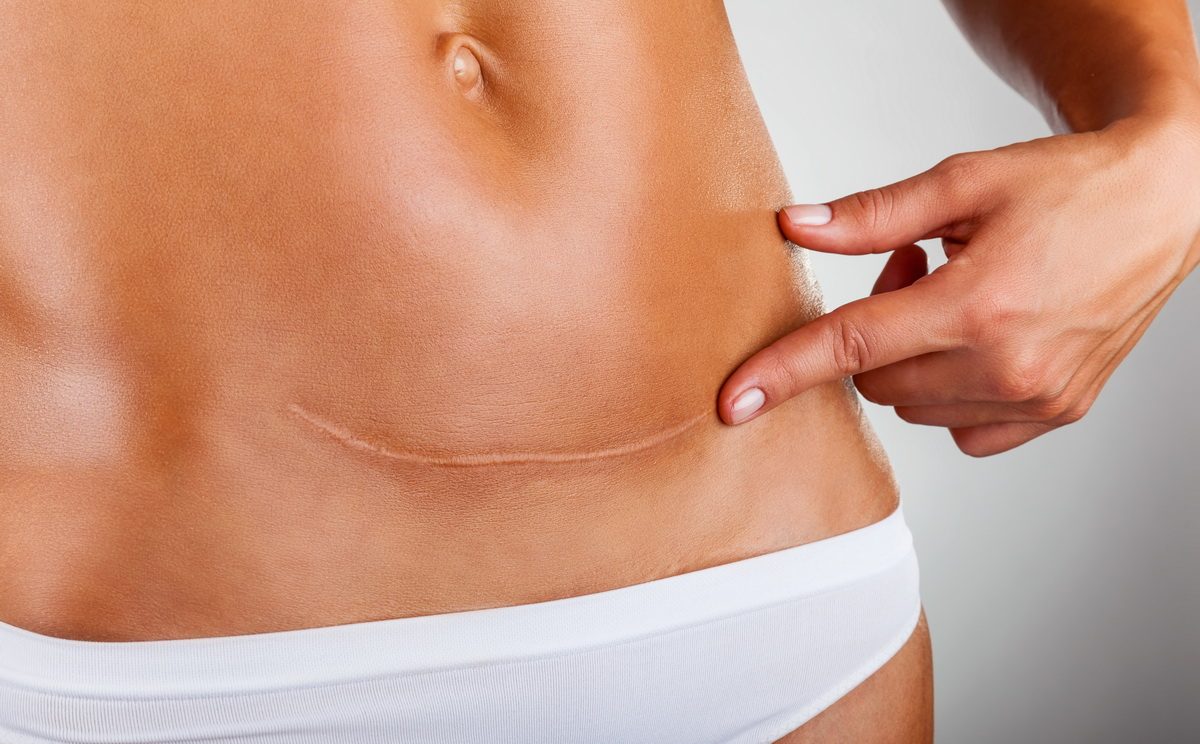
Can light help support the healing of a scar on the face or body? The idea sounds almost magical, but LED technology offers some interesting avenues for those looking for an extra boost. Several wavelengths are available, including red and infrared. What are we talking about, and why do these two options seem particularly relevant to your well-being?
Photobiomodulation: a basic principle
Photobiomodulation involves exposing the skin to light calibrated to produce beneficial effects. Some people already appreciate this approach for its impact on the face, while others use it for more extensive areas of the body. It's a form of therapy, sometimes called light therapy, which can be integrated into a broader protocol. LED masks are a popular example, and various light therapy devices target different wavelengths to act on skin healing or radiance.
The benefits of red light
Red light is often highlighted for its interaction with the epidermal surface. Studies are exploring its role in collagen synthesis and tissue repair, helping to create an environment more conducive to scar management. Its wavelengths are considered to promote better microcirculation and a boost in cellular energy.
Results vary according to the age of the scar, regularity of use and skin type. Many individuals report a sensation of comfort after just a few sessions, particularly when red light is integrated into an overall healing program.
Why infrared attracts attention
Infrared has a wider, deeper wavelength range, and acts differently by penetrating deeper into tissues. Its impact can involve structures located beneath the epidermis, making it an interesting complement to red light. In fact, some LED masks combine these two wave types to enhance their effects.
Infrared light is reputed to support local circulation and cellular metabolism. It is sometimes suggested as an aid to the healing of older or more difficult scars, since it reaches deeper layers, without guaranteeing a universal solution. For the skin's well-being, some people report an increase in elasticity, which can promote a more even appearance around the scar.
How to choose your option
First of all, it's useful to identify the type of scar and the desired objective. Red light acts more on the surface, while infrared targets more internal areas:
- Red light: helps accompany the epidermis, sometimes recommended for superficial marks or recent scars.
- Infrared: can support deeper tissue suppleness, often appreciated for more established scars.
Combined devices are available to take advantage of both wavelengths in the same session. This dual action is used to affect several levels of tissue, with multifunctional LED masks or even larger systems designed for the whole body. The most important thing is to ensure that you use your equipment at the right frequency, taking into account the advice of professionals who are familiar with the specific needs of each individual.
A few tips for a better approach
If you're considering LED masks or a red/infrared lamp to improve your wound healing, here are a few things to consider:
- Regularity: limiting yourself to a one-off session rarely produces obvious results. Regular use, without being excessive, seems more fruitful.
- Hygiene: a clean appliance is essential to protect the skin, especially if you apply it directly to the face.
- Listen to yourself: if an area is sensitive or reacts abnormally, it's best to space out the sessions or consult a professional to adjust the method.
Towards softer tissue comfort
Every scar tells a personal story, and photobiomodulation offers an interesting avenue for those seeking non-invasive support. Red light is often associated with improved skin vitality, while infrared light targets deeper tissues. Expected results vary according to the age of the scar and the regularity of sessions, but a good number of individuals find it a form of support in their quest for well-being.
Some testimonials highlight better-managed scarring and a more even complexion after using an LED mask; others prefer alternating red and infrared light to achieve an overall balanced feeling. In all cases, the idea is not to promise a radical transformation, but rather to offer a complementary practice, attentive to the body and its signals.
By letting yourself be guided by your own perceptions and listening to skin experts, you can target the most suitable light. For example, the choice between red or infrared light depends on both the nature of the scar and the comfort required. Measured use, combined with a generally soothing lifestyle, is often the best way to gently support healing.

 Comment l’alimentation peut-elle influencer le processus de cicatrisation des plaies ?Par Vanessa, le 25 juillet 2024
- La lumière rouge ou infrarouge : quelle photobiomodulation choisir pour vos cicatrices ?Par Vanessa, le 15 avril 2025
- Comment la photobiomodulation peut-elle apaiser les brûlures légères ?Par Vanessa, le 17 mars 2025