Stretch marks originate in the dermis, where collagen fibers are found. When the skin is subjected to rapid stretching, these fibers become disorganized.
At first, stretch marks are usually red. This red color indicates an active phase. The skin is still changing, which makes this an ideal time to begin treatment or a photobiomodulation session.
Over time, stretch marks become lighter in color. Their texture may appear slightly indented, particularly in certain areas such as the arms.
The areas most affected are:
- the thighs and hips
- the stomach
- the arms
- the chest
This phenomenon is linked to cellular disorganization. Collagen production no longer keeps pace with the body's needs, which weakens the skin's structure.
The Cellular Effects of LED Light on the Dermis
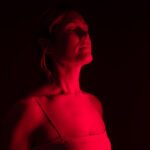
Photobiomodulation is based on the use of LEDs that emit red or near-infrared light. This light penetrates the skin and acts directly on the cells.
The effect of this light is linked to the energy it provides to cells. This cellular mechanism can support cellular activity and promote certain natural processes, such as collagen production.
When it comes to stretch marks, the desired effects are as follows:
- Boost collagen production in the dermis
- Supports cellular activity to promote skin renewal
- Gradually improve skin texture, with visible results over the course of several sessions
Red light is particularly effective for this treatment because it penetrates the layers of the skin affected by stretch marks.
What effects can be observed with LED therapy?
The effects of LED treatment vary depending on several factors: how long the stretch marks have been present, the area (such as the arms), and the consistency of each session.
Red stretch marks, which are more recent, often respond better to treatment. Their cellular activity allows results to be seen more quickly.
For older stretch marks, the effects are also present, but they appear more gradually.
Over the course of the sessions, certain effects may be observed:
- a gradual fading of the red color
- a more visually even complexion
- an improvement in texture when touched
- less visible stretch marks on areas such as the arms or thighs
These effects are not the same for everyone. Each person’s skin reacts differently to a treatment session and to the effects of the LEDs.
How does a photobiomodulation session work?
A photobiomodulation session involves exposing the affected area to LED light for a set period of time. The treatment is noninvasive and can easily be incorporated into a daily routine.
The arms, abdomen, or thighs can be targeted as needed. During each session, the red light is evenly distributed across the skin.
Here are a few guidelines to help you better understand how the sessions are organized:
- Session duration: from a few minutes to about 20 minutes
- Frequency of sessions: several times a week at first
- Consistency in workouts: essential for maximizing results
During the session, you may feel a gentle warmth. The treatment is comfortable and does not require any recovery time.
Incorporating Photobiomodulation into a Skincare Routine
Photobiomodulation is part of a holistic approach. Its effects are often enhanced when combined with simple daily habits.
To complement each session and enhance its effects, you can incorporate a few simple daily habits to prolong the effects of photobiomodulation and optimize results over time:
- regular moisturizing of the skin
- gentle massages on areas such as the arms or thighs
- an awareness of the body's rapid changes
These habits create an environment that promotes cellular activity and gradual skin improvement.
Progress that becomes apparent over time and through each session
LED photobiomodulation offers a gradual approach. The effects become apparent over the course of the sessions, without any sudden changes.
The cellular effects of red light work in harmony with the skin’s natural processes. Over time, the skin appears more supple and even-toned, and stretch marks become less visible, including on the arms.
Each session is part of an overall process. The effects build gradually, at the skin’s own pace. This approach emphasizes consistency and observation, allowing each person to appreciate the results over time.
See also: