How many photobiomodulation sessions are needed to achieve lasting results?
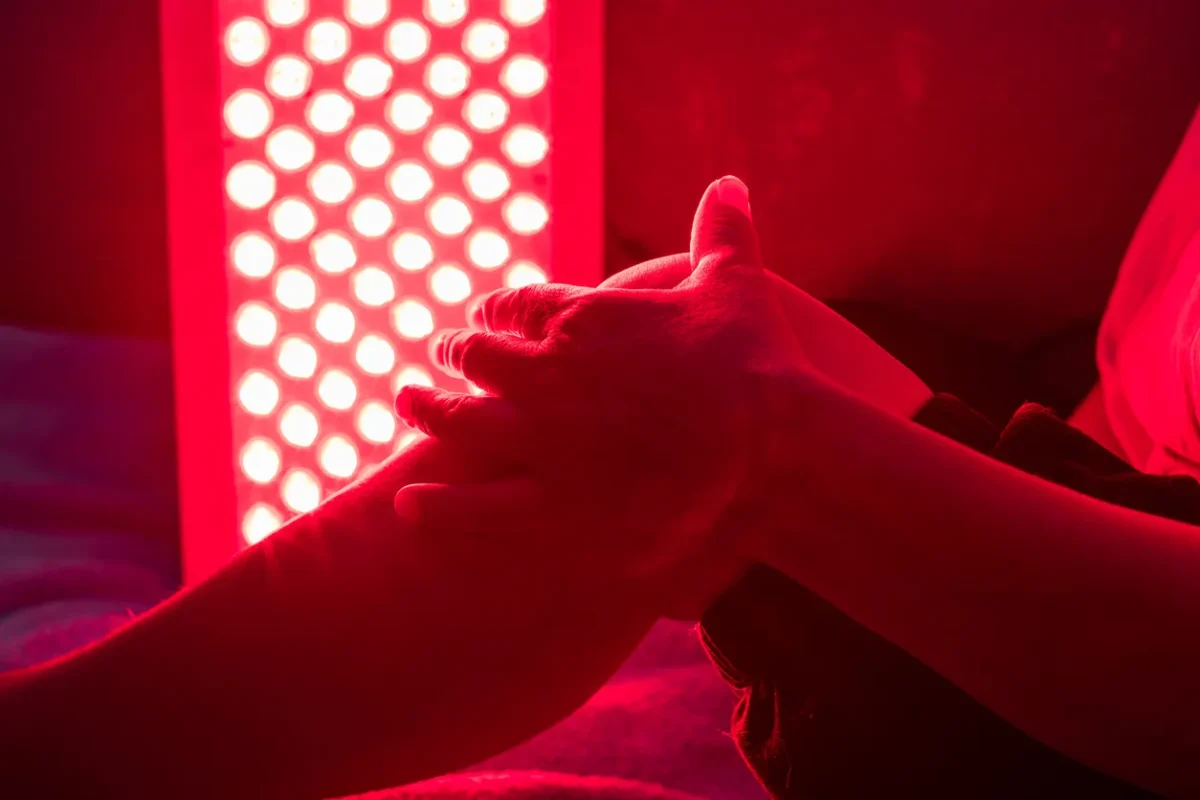
Photobiomodulation is based on a straightforward principle: the use of gentle light—often red—applied directly to the skin, without any mechanical action or invasive procedures. But behind this simplicity lies a key question: how many sessions are needed to achieve long-lasting results?
The answer depends on several factors. The type of condition, the frequency of sessions, and how the body responds to light all play a decisive role. Understanding these factors allows you to approach photobiomodulation with realistic expectations and a well-informed perspective.
Understanding the principles behind photobiomodulation protocols
Photobiomodulation involves the use of LEDs that emit red or near-infrared light. This light interacts with the cells, supporting their activity. The effects are not immediate; they appear gradually over the course of multiple sessions.
That is why the protocols are designed to involve a series of sessions. A single exposure to light produces short-term effects. However, a regular series of sessions helps to sustain these effects over time.
You could compare this to light exercise. A single session feels good, but it’s consistency that brings about lasting improvements in well-being.
How many sessions should I plan for, depending on my goals?
The number of sessions depends primarily on the desired outcome and the area being treated. There is no universal protocol, but there are guidelines based on current practice.
For comfort and overall well-being
When photobiomodulation is used to promote relaxation or help manage a period of stress, a gradual approach is often recommended:
-
Initial phase: 2 to 3 sessions per week for 3 to 4 weeks
-
Maintenance phase: 1 session per week or every two weeks
In this context, some people notice effects as early as the first few sessions, such as a feeling of relaxation or an overall sense of well-being.
For skin and beauty care
When it comes to skincare, consistency is key. Red light gradually improves the skin’s radiance and overall condition.
-
Initial phase: 2 to 3 sessions per week for 4 to 6 weeks
-
Maintenance phase: 1 session per week
Visible results often appear after about ten sessions. The skin looks more even and radiant.
For localized pain and discomfort
Photobiomodulation can also be incorporated into treatments for localized physical discomfort, such as feelings of tension or stiffness. Here again, frequency is key.
-
Initial phase: 3 to 5 sessions per week for 2 to 3 weeks
-
Maintenance phase: 1 to 2 sessions per week, as needed
In this context, some people report a gradual reduction in discomfort after a few sessions. Continuing the treatment helps to prolong these effects.
The concept of the sustainability of results
When discussing long-lasting results, we must first consider what we mean by “long-lasting.” In photobiomodulation, the effects are not static. They change over time, depending on lifestyle and the individual’s overall health.
A series of sessions helps establish balance. Follow-up sessions then help maintain that balance.
Without maintenance, the effects may gradually diminish. This does not mean that photobiomodulation stops working, but rather that the body returns to its original state.
Factors that influence the number of sessions
Two people following the same protocol may experience different results over the course of their sessions. This variability can be attributed to several factors unique to each individual. Lifestyle, sleep quality, stress levels, and the duration of the condition all influence how the body reacts to light. The treated area, its sensitivity, and the regularity of the sessions also play a role. In other words, photobiomodulation is an individualized response, which sometimes requires adjusting the protocol to find the most suitable rhythm.
Before deciding on a schedule for sessions, it is therefore helpful to consider:
-
The nature of the problem: a recent issue does not require the same kind of support as a long-standing one
-
Consistency: sessions spaced out irregularly limit the cumulative effect
-
The type of fixture: the quality of the LEDs and the fixture's power affect the light distribution
-
Lifestyle factors —such as sleep, stress, and physical activity—play a role in the overall response
-
Individual sensitivity: Some people react more quickly than others
These factors explain why the protocols remain flexible. They must be adjusted based on how people feel.
Is it possible to do too many sessions?
This question comes up often. Photobiomodulation is a gentle treatment, but that doesn’t mean you should undergo multiple sessions without proper guidance.
Doing too many sessions doesn't necessarily lead to better results. The body needs time to process the stimulation. A schedule that's too intense can actually reduce overall effectiveness.
The goal is to strike a balance. Not too little, nor too often. It is this measured consistency that leads to lasting results.
The Benefits of Home Exercise Equipment
Using a home photobiomodulation device changes the way sessions are approached. It offers greater flexibility and encourages consistency.
Some programs make it easy to incorporate sessions into your daily routine. It only takes a few minutes, with no special planning or specific requirements.
This accessibility helps maintain an appropriate frequency, which is essential for sustaining the effects over time.
Toward a personalized and scalable approach
Photobiomodulation does not follow a single protocol with the same number of sessions for everyone. It is part of a broader approach focused on well-being and listening to the body.
Some periods call for a more intense routine. Others simply require a little maintenance. The key is to pay attention to the results, adjust the frequency, and stay in tune with how you feel.
Key Takeaways for Finding Your Rhythm
Before you begin, here are a few simple guidelines to help you get started:
-
Start with a steady phase to kick off the effects
-
Note how you feel after 5 to 10 sessions
-
Adjust the frequency based on the results observed
-
Perform regular maintenance to prolong the benefits
Finding the right pace over time
Photobiomodulation is a long-term process. It doesn’t promise immediate results, but offers gradual progress that respects each person’s individual pace.
The number of sessions required depends on many factors. The key lies in consistency, adaptation, and patience. By taking the time to adjust the protocols, it becomes possible to build lasting effects that become part of daily life.

 Comment la photobiomodulation peut-elle aider à soulager la douleur ?Par Vanessa, le 12 décembre 2024
- La photobiomodulation est-elle remboursée par l’assurance santé ?Par Vanessa, le 21 mai 2024
- Comment fonctionne la photobiomodulation au niveau cellulaire ?Par Vanessa, le 2 avril 2026
- Quels appareils de photobiomodulation choisir : lampe, casque ou laser ?Par Vanessa, le 6 avril 2025
 Photobiomodulation : quels sont les effets secondaires et les contre-indications ?Par Vanessa, le 3 mars 2026
- Quels sont les bienfaits de la photobiomodulation ?Par Vanessa, le 9 juillet 2024
- Photobiomodulation : définition, principes et applications thérapeutiquesPar Vanessa, le 8 octobre 2024
- Combien de séances de photobiomodulation sont nécessaires pour obtenir des résultats durables ?Par Vanessa, le 12 mars 2026