Photobiomodulation to support hormone therapy for menopause
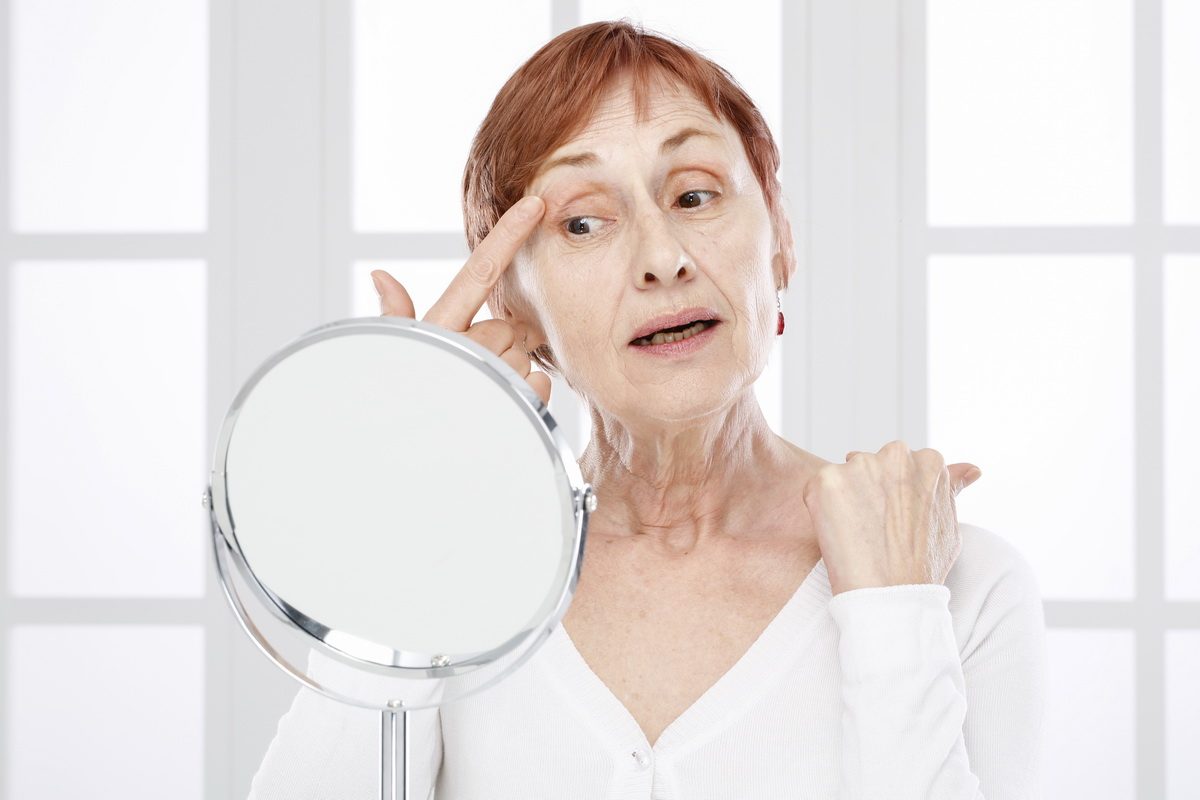
Did you know that certain complementary approaches can help to manage the menopause period more effectively and optimize women's well-being? In addition to conventional medical care, photobiomodulation is gradually gaining ground as a support for hormone therapy. This light-based technique is attracting attention for its potential to relieve certain discomforts associated with age and post-menopausal life. Let's discover together how this approach can bring a breath of fresh air to the management of menopausal disorders.
Menopause: a key stage in a woman's life
Menopause, marked by the cessation of menstruation, often begins around a certain age and can be accompanied by physical and emotional symptoms. Many individuals report hot flushes, joint or muscle pain, and occasional sleep disturbances. Weight may also fluctuate, while skin may appear drier or more sensitive. There is also talk of possible post-menopausal repercussions, where hormonal changes continue to exert an influence on the body.
While hormonal therapy is frequently suggested by the doctor to help manage these discomforts, some women seek complementary solutions to go further in controlling their pain or discomforts in life. This is where photobiomodulation, a non-medical approach comparable to a targeted light exposure session, can provide additional support.
Photobiomodulation: how does it work?
Photobiomodulation involves the use of light, emitted by an LED or laser device, gently applied to certain areas of the body. This light acts deep down and may help stimulate natural self-regulation processes. Individuals sometimes report a greater sense of well-being or a reduction in pain levels, particularly in the case of imbalances linked to menopause or certain hormonal states.
Contrary to popular belief, photobiomodulation is not intended to "cure" or "heal" menopause, which is in any case a natural stage in a woman's life, but it can be harmoniously integrated with medical hormone therapy to help manage various discomforts. This approach, although not yet widespread, seems particularly interesting for women seeking complementary solutions.
Potential benefits for body and mind
When combined with hormonal therapy, photobiomodulation can help to :
- Supporting joint and muscular comfort: Offer greater well-being in daily life when faced with certain localized pains.
- Promote better recovery: after exercise or in cases of post-menopausal fatigue, targeted light sessions can give an extra boost.
- Improve skin's appearance: skin tightness can be reduced and its appearance can be smoother.
This approach is generally part of a global approach, in which diet, physical exercise and appropriate medical support remain essential.
Photobiomodulation and skin imbalances
With menopause, it's not uncommon for skin to become fragile and lose its radiance. Hormonal fluctuations have a direct impact on skin hydration and elasticity. Carefully applied photobiomodulation can help stimulate microcirculation and improve skin's appearance. Here again, it's all about support: the idea is to help manage symptoms of dryness or skin sensitivities, without promising radical change.
Why does the skin react so much?
At this stage of life, women's bodies undergo significant hormonal variations. The lack of estrogen can lead to a reduction in collagen production, accentuating the sensation of dryness. By providing localized support, photobiomodulation aims to promote better subcutaneous circulation and soothe certain sensations of tightness. However, each individual is different: some feedbacks point to improvements, while others see it as just a slight additional comfort.
Here are a few tips to help you make the most of photobiomodulation, a non-medical, non-curative approach.
Before considering a photobiomodulation session for menopause, it's essential to seek advice from a trained professional. Here are a few points to bear in mind:
- Talk to an expert: discuss your discomforts, pains and imbalances, so that photobiomodulation is tailored to your needs.
- Combining approaches: a balanced diet, gentle physical activity and regular medical check-ups remain at the heart of overall well-being.
Photobiomodulation and post-menopausal well-being
After menopause, the body continues to change. Some women still experience hormonal imbalances or weight changes. In this context, photobiomodulation can play a complementary role, helping to alleviate certain discomforts. Its action aims to support microcirculation and cell regeneration, valuable mechanisms for managing symptoms linked to the passage of time.
Lighting the way forward
Going through menopause can be an unsettling time, marked by symptoms that can be difficult to cope with. Photobiomodulation, in conjunction with hormonal therapy and appropriate support, offers an interesting way of managing this period. For many women, it helps to relieve pain and maintain overall well-being. Ultimately, it's up to each individual to choose the approach best suited to living through this transition as calmly as possible.

 Réduction des adhérences post-opératoires avec la photobiomodulationPar Vanessa, le 16 juin 2025
- La photobiomodulation pour accompagner les irritations cutanées liées aux protections périodiquesPar Vanessa, le 29 mars 2025
- Photobiomodulation comme soutien à la thérapie hormonale pour la ménopausePar Vanessa, le 9 juin 2025
- Impact positif de la PBM sur les douleurs menstruelles chroniquesPar Vanessa, le 12 mai 2025
- Gestion des microfissures vaginales récurrentes par la PBM : une approche non invasive et non médicalePar Vanessa, le 23 avril 2025