Positive impact of PBM on chronic menstrual pain
Did you know that many women dread menstruation because of its uncomfortable aspect, but above all because of the sometimes intense menstrual pain? When cramps and tightness are combined, daily life can quickly become a burden. Dysmenorrhea and inflammatory disorders can be a real source of stress, impacting on overall well-being. Nevertheless, there are several gentle approaches that seek to support the management of these situations, including photobiomodulation, a technology that is increasingly being studied for its potential effect on pain.
When menstrual pain takes over
Period-related pain can manifest itself in many ways: cramps in the lower abdomen, lower back pain, muscle tension, even headaches. During each cycle, the body releases prostaglandins, chemicals that help the uterus contract. Their excessive production can sometimes accentuate pain and promote non-pathological inflammation.
Some women experience primary dysmenorrhea, i.e. recurrent discomfort during menstruation, while others experience more pronounced signs, such as endometriosis. In these situations, managing pain can quickly become a major challenge, with a significant impact on social life, fertility and emotional balance.
Most of the time, post-menstrual syndrome, often punctuated by mood swings and residual pain, is added to fatigue, creating a circle that's hard to break. The aim is to relieve pain over the long term, while remaining attentive to your body.
Photobiomodulation: support for better menstrual pain management
At the heart of innovations to help manage chronic pain, photobiomodulation is emerging as a promising technique. This non-invasive, non-medical approach relies on the use of specific light sources. The idea is to emit specific wavelengths which, when applied to targeted areas, can help improve muscular comfort and reduce sensations of discomfort.
By stimulating certain areas, photobiomodulation could act to support microcirculation and modulate the release of inflammatory substances. It is particularly suitable for individuals suffering from inflammatory disorders associated with painful menstruation or persistent pain associated with endometriosis.
Daily gestures to relieve and soothe
To support the effect of photobiomodulation, it is often useful to adopt small everyday gestures to relieve pain and promote a sense of well-being. For example:
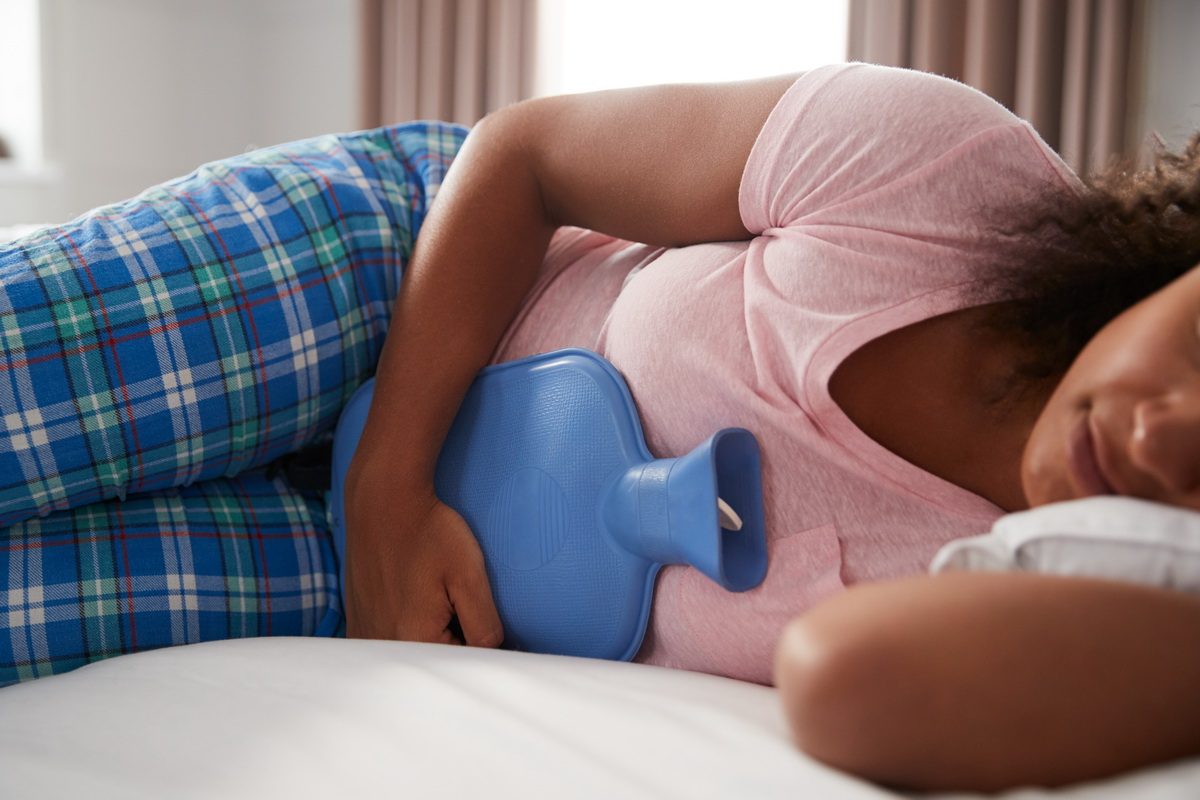
- Favoring warmth: placing a hot water bottle on the lower abdomen helps ease cramps by promoting muscle relaxation.
- Try gentle stretching: a few flexibility movements focused on the pelvis and lower back can help improve circulation and ease pain.
- Adopt comfortable positions: avoid prolonged standing to prevent lumbar and pelvic strain.
This advice does not replace individual support, but it does offer the first steps towards managing discomfort over the course of cycles.
Feedback and wellness ideas
Many testimonials speak of the sensation of lightness felt after a photobiomodulation session, combined with a few lifestyle adjustments. Beyond the effect on pain, the practice of gentle physical exercises (such as yoga) or the implementation of a relaxation routine can play a role in stress management. Here are a few frequently cited examples:
- Breathing techniques: deep breathing can influence pain signals and calm the mind during a painful period.
- Balanced diet: limiting certain pro-inflammatory foods (such as ultra-processed foods) in favor of fruits, vegetables and whole grains can support the body and help manage inflammation.
Together, these measures contribute to a gradual improvement in quality of life during menstruation, especially for those who experience more severe dysmenorrhea or endometriosis.
Further information
If you'd like to find out more about photobiomodulation, it may be worth consulting experts specialized in menstrual pain management, or joining a women's exchange group. Sharing your feelings and discovering the experiences of others is a valuable source of information for approaching painful periods from a new and, sometimes, more confident angle.
Of course, photobiomodulation is no substitute for follow-up with a qualified professional, but it can provide additional support for pain management. Each patient's path is unique, and it's important to adapt solutions to your own needs, taking care not to impose unrealistic constraints.
A breath of calm for every cycle
Ultimately, experiencing menstruation with less suffering is a goal shared by many women. Between the influence of prostaglandins, the presence of inflammatory disorders and daily stress, the stakes can seem high. However, photobiomodulation, integrated with other respectful approaches, seems to be able to help improve overall feelings and bring a degree of comfort. Get informed, surround yourself with caring professionals and multiply the simple gestures you make on a daily basis: these are just some of the ways in which you can make each cycle more synonymous with well-being.

 Gestion des microfissures vaginales récurrentes par la PBM : une approche non invasive et non médicalePar Vanessa, le 23 avril 2025
- Photobiomodulation comme soutien à la thérapie hormonale pour la ménopausePar Vanessa, le 9 juin 2025
- Réduction des adhérences post-opératoires avec la photobiomodulationPar Vanessa, le 16 juin 2025
- Impact positif de la PBM sur les douleurs menstruelles chroniquesPar Vanessa, le 12 mai 2025
- La photobiomodulation pour accompagner les irritations cutanées liées aux protections périodiquesPar Vanessa, le 29 mars 2025