How can photobiomodulation help combat inflammation in athletes?
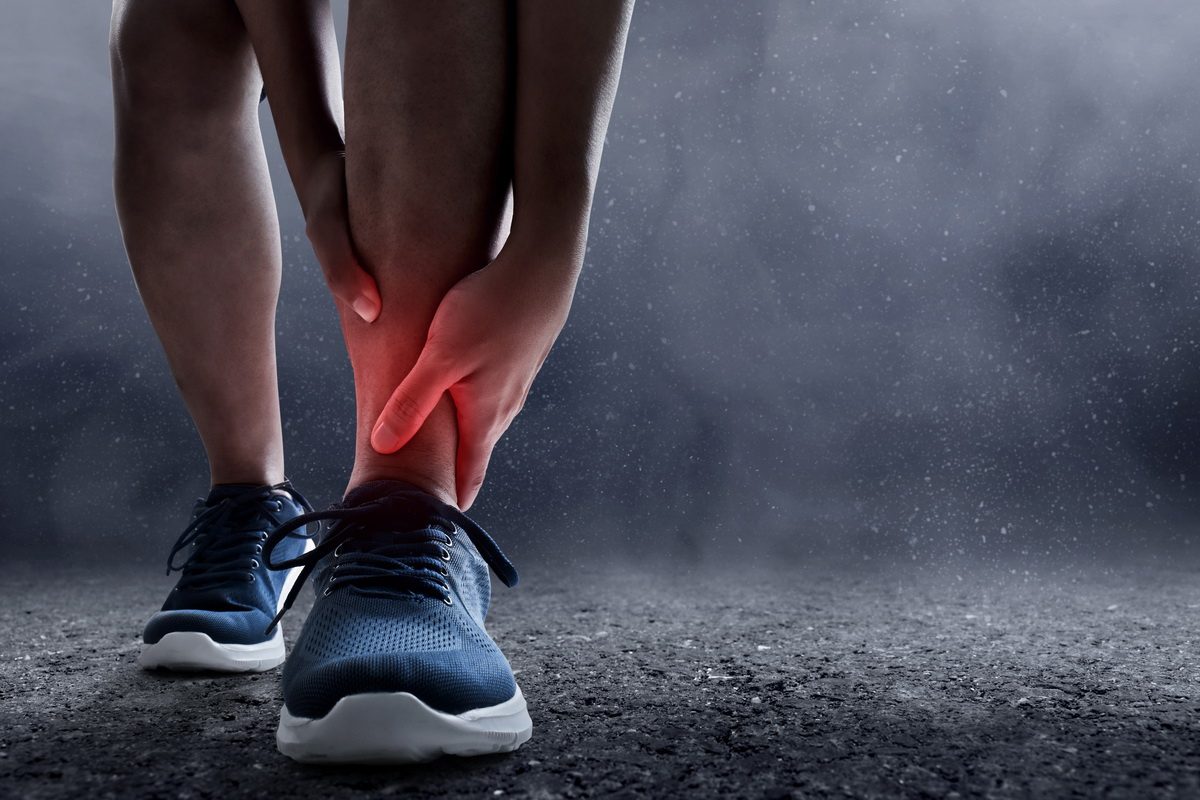
Have you ever wondered whether a simple exposure to red light would be able to support your well-being after physical exertion? Many people report relief from muscle pain thanks to photobiomodulation, also known as light therapy. This approach raises questions, not least about its possible effects against inflammation after a sports session.
Understanding photobiomodulation
Photobiomodulation is a form of therapy that uses a light source (often a laser or red light-emitting LEDs) to diffuse energy into the tissues. The idea is based on the ability of cells to capture some of this light energy. It can, in turn, stimulate various biological reactions in the body.
Some specialists see this technique as a way of helping to manage certain discomforts, such as pain and muscle aches associated with sporting activities. The areas targeted are essentially the skin and deep muscles, thanks to specific wavelengths. The aim is not to "repair", but to promote a more serene inner environment, where overall well-being and recovery are sought.
What's the link with sports-related inflammation?
When we play sport, we put our muscles and joints under intense strain. This physical activity can sometimes cause micro-lesions, leading to inflammation and muscular pain. The body then launches a defense process designed to preserve and regenerate itself. In this situation, photobiomodulation acts as a potential support, illuminating the weakened area with red or near-infrared light.
Feedback suggests that light heat and light diffusion may facilitate microcirculation. Cells react by more effectively regulating oxidative stress, often associated with tissue damage. The result is a moderate reduction in inflammation and, in some cases, a feeling of relief from pain. This approach does not promise to "cure", but rather to support the individual in his or her recovery and quest for bodily comfort.
The main effects
- Cell stimulation: exposure to red light stimulates cells to renew their energy, which can make muscles more reactive during the repair phase.
- Regulation of inflammatory activity: luminous flux is likely to contribute to an internal balance favourable to the reduction of inflammation.
- Pain relief: some users report a feeling of well-being and pain relief during their photobiomodulation sessions.
When and how to use it?
Fans of photobiomodulation generally refer to its use during recovery, after a sporting effort, or during a preparation phase to support the muscles. Some choose home devices, while others turn to specialized centers equipped with dedicated light or laser systems.
On average, a session lasts just a few minutes on the targeted area. Each individual is free to explore this avenue as a complement to good habits (regular hydration, balanced diet, sufficient rest). This quest for overall balance can help limit the appearance of inflammation or more pronounced pain after training.
Practical advice for sensible use
- Check operation: it's a good idea to make sure that light therapy or red light devices are designed for body use and comply with safety standards.
- Adapt the protocol: the number of sessions and duration vary according to individual sensitivity and the intensity of the sport practised. We recommend starting with short sessions and adjusting according to how you feel.
- Consider expert advice: a wellness professional familiar with how photobiomodulation works could suggest more targeted approaches, taking into account each individual's experience.
Testimonials and feedback
A number of amateur athletes share their encouraging impressions: some report renewed energy the day after a session, and a reduction in localized aches and pains. Others report improved muscular comfort, making them want to resume exercise more quickly. Some people also report a beneficial effect on skin quality, as the red light seems to contribute to skin vitality.
Although these stories do not constitute large-scale scientific evidence, they are attracting the attention of many researchers interested in photobiomodulation and its impact on inflammation. This dynamic inspires further study, in order to understand the precise mechanism and define recommendations adapted to different profiles.
Bright prospects for recovery
Photobiomodulation presents itself as an additional option for supporting the body, particularly in a sporting context. Exposure to targeted light, sometimes referred to as light therapy, could accompany a program aimed at managing inflammation and seeking muscular comfort. This approach is not a substitute for the essential gestures for well-being: stretching, hydration, quality sleep and medical follow-up in the event of recurring pain.
Each individual can thus explore these sessions based on red light or laser, paying close attention to their body's signals. Photobiomodulation does not claim to solve all sports-related problems, but it does seem to provide an interesting insight for those seeking to optimize recovery and limit inflammation after exercise. In this field, curiosity and caution are often the best guides to progress towards a more serene muscular and joint balance.

 Comment la photobiomodulation peut-elle aider à combattre l’inflammation chez les sportifs ?Par Vanessa, le 9 septembre 2025
- Comment la photobiomodulation peut-elle soulager une douleur inflammatoire au genou ?Par Vanessa, le 24 mai 2024
- Comment la photobiomodulation aide-t-elle à soulager les douleurs au dos ?Par Vanessa, le 7 août 2024
- Les maladies auto-immunes peuvent-elles être atténuées par la photobiomodulation ?Par Vanessa, le 24 mars 2025